“Deirdre Cartwright is a deeply expressive guitarist who produces finely wrought, bluesy, soulful melodic lines.” Kevin Le Gendre, Jazzwise
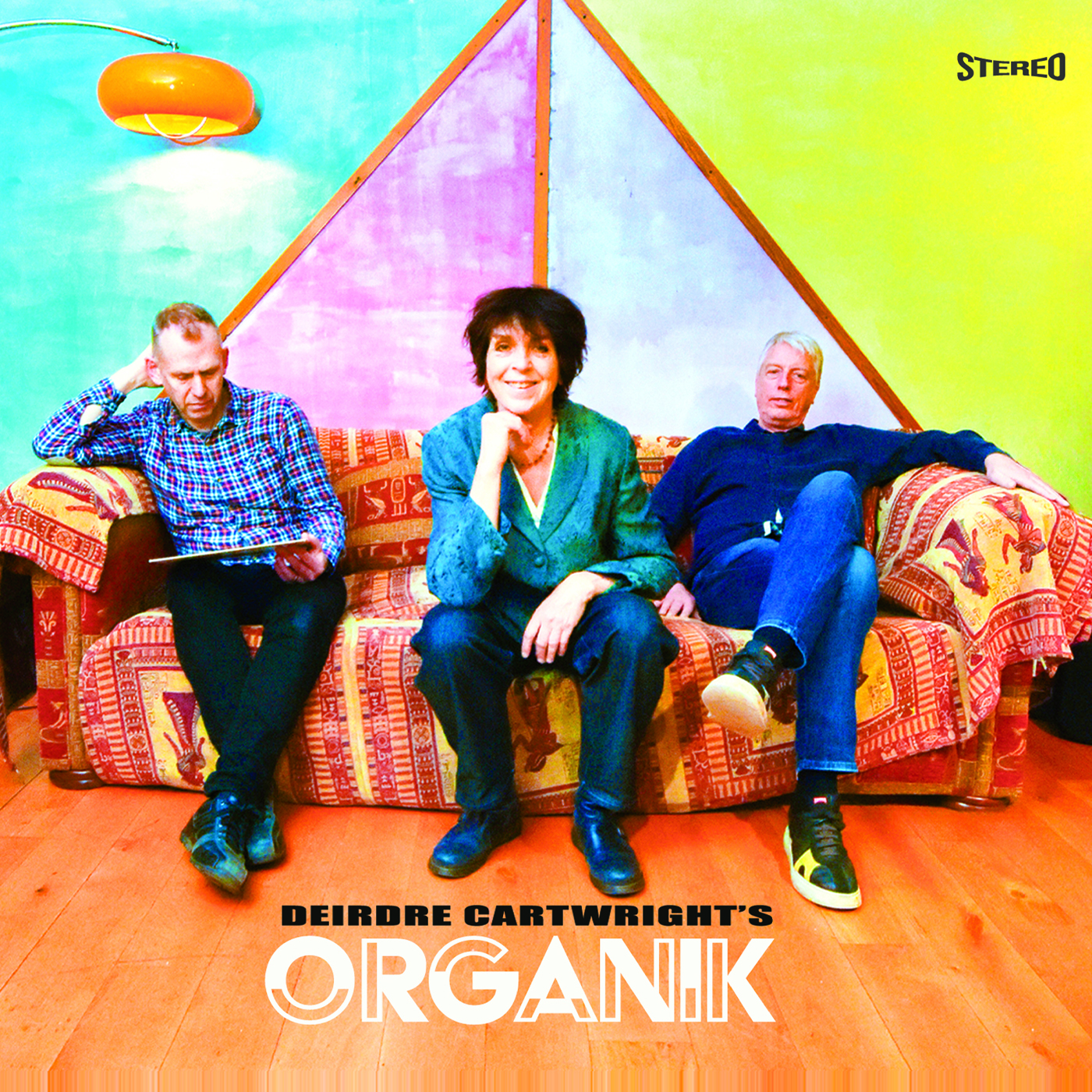
Deirdre Cartwright returns with ORGANIK, her first album in 15 years – an uplifting recording that reflects on the guitarists who have shaped her musical journey while introducing new original material.
At the heart of the album is a dynamic organ trio featuring Pete Whittaker on Hammond organ and Gary Hammond on percussion. Whittaker draws on a rich hard-bop tradition, having worked with leading UK artists including Art Themen and John Etheridge, while Hammond adds colour and rhythmic depth, drawing on his experience performing with Nina Simone and The Beautiful South. Stripping the sound back to its essence, Cartwright plugs her Gibson guitar directly into a Fender amplifier, using no effects, resulting in is a warm, resonant tone, complemented by classic Hammond textures and inventive, atmospheric percussion.
ORGANIK opens with a fresh interpretation of ‘Eleanor Rigby’, inspired by Wes Montgomery, combining octave phrasing with a sensitive arrangement. Three new Cartwright compositions feature prominently: the lilting, 6/8 ‘One for Polly’, the Latin-tinged ‘Mango Bango’, inspired by her time at the Bequia Blues Festival and the funky, blues-infused ‘Espresso Martino’, a nod to Pat Martino.
A tribute to Emily Remler is heard in ‘Softly, as in a ‘Morning Sunrise’, while the trio explores a brooding take on ‘You Don’t Know Me’ in the spirit of Ray Charles. A dynamic ‘On Green Dolphin Street’ shifts between Latin and swing and a cinematic reimagining of Sultans of Swing evokes a desert-like landscape. The album closes with a haunting rendition of ‘The Gentle Rain’ by Luiz Bonfá.
“I made this album for me, wanting to move away from effects pedals and play without the distraction of technology,” reflects Cartwright. “Playing with Pete and Gary brought spontaneity, imagination and creativity to the whole process – I had a lot of fun making this record.”
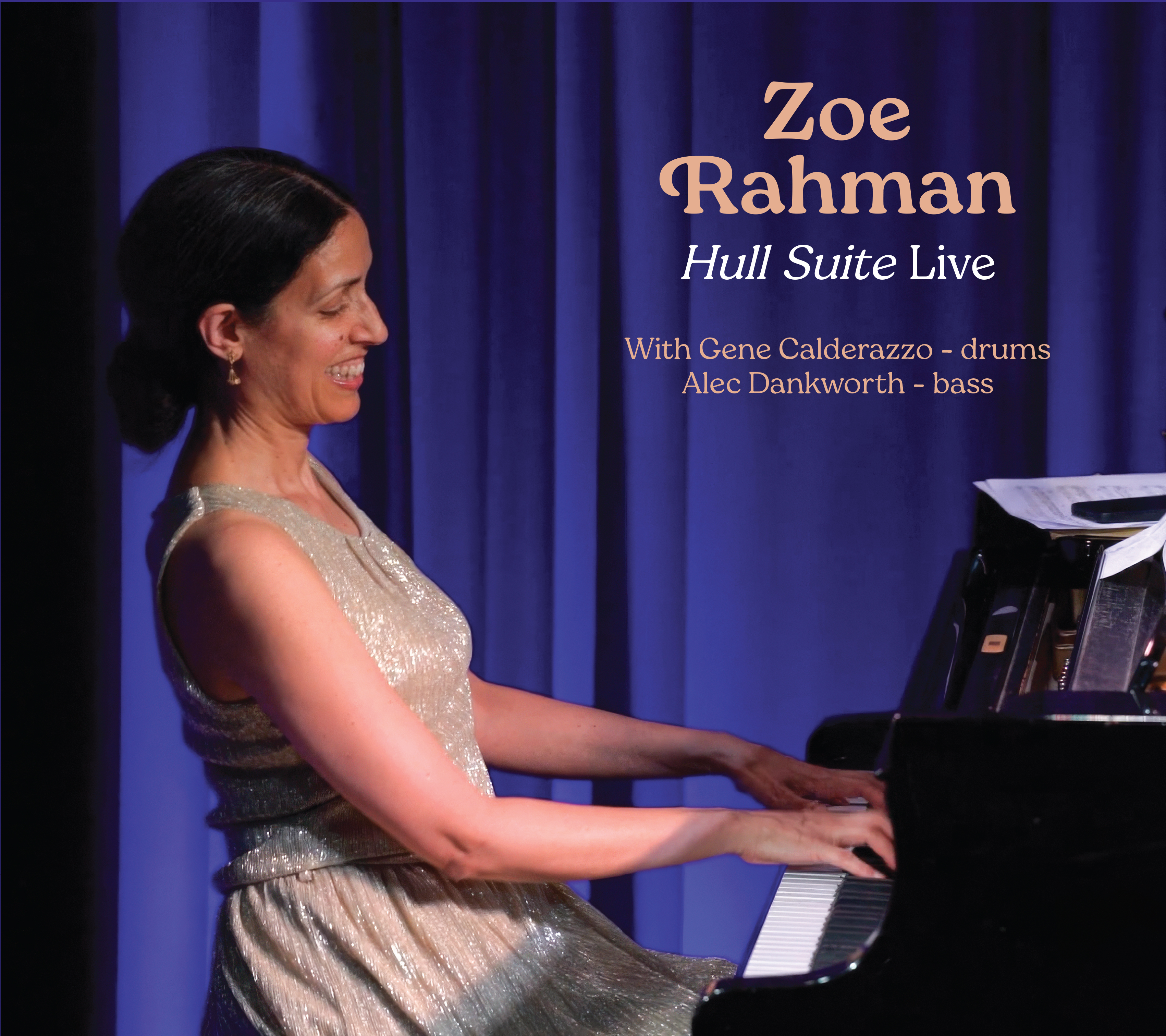
A Unique Live Album Concept By One Of The UK’s Most Exciting Jazz Pianists The phenomenally talented pianist Zoe Rahman is proud to present her latest album entitled “Hull Suite Live”.
Commissioned by Hull Jazz Festival for World Piano Day in 2024, the suite is based on themes of voyage, migration and family, taking inspiration from two statues in Hull: One which commemorates the 2.2 million people who passed through Hull as a port city between 1836 and 1914, and the other which looks out across the Humber to the sea and has a twin sculpture looking back towards it from Iceland, commemorating fishermen, seafarers and trade shared between the two countries. The music is also about Zoe’s parents' story of migration, sea crossings and a piano – as Zoe explains: “When I was writing the music, the themes reminded me of my parents' story of migration….My mother emigrated from England to New Zealand when she was 10, travelling for 6 weeks by ship. She later met my father when they were both at Sydney University - he had travelled by ship from Bengal. I found out only recently that after going back to visit his family in Dhaka, my father needed proof that he had the financial means to support his return to Sydney, so my mother sold her piano so that they could be together. While composing, I was thinking about how my own existence is strongly linked to sea travel and to the story of a piano!”
Zoe Rahman’s instrumental interpretations of these topics are presented with poignancy and sensitivity, overarched with what Jazzwise Magazine have described as Zoe’s “full-blooded, chord splashing, orchestral approach to the acoustic piano.” The Hull Suite features Zoe’s worldclass trio, with drummer Gene Calderazzo (Pharoah Sanders, Randy Brecker) and bassist Alec Dankworth (Abdullah Ibrahim, Dave Brubeck). These longstanding collaborators display an electrifying synergy with Zoe on piano. The nature of the work encompasses a wide pallet, with earthy blues influences, soulful melodies and cinematic musical textures, The album was recorded live at The Vortex Jazz Club in London, capturing the true essence of Zoe and her band’s live performance – a special moment forever encapsulated on this recording.
Born in the UK, to a Bengali father and English mother, Zoe studied classical piano at the Royal Academy of Music, gained a music degree at Oxford University and then won a scholarship to study jazz performance at Berklee College of Music, Boston. A very well established and respected figure in international jazz, Zoe’s music has also reached far beyond specific scenes for decades, this year marks the 20th anniversary of Zoe receiving a nomination for the prestigious Mercury Music Prize. Zoe Rahman’s music has always been truly original. Hull Suite is a work that channels Zoe Rahman’s exuberant spirit, fortified by her exemplary band and ultimately creating an outstanding listening experience for anyone who appreciates true artistry in its purest form – an adventure not to be missed!
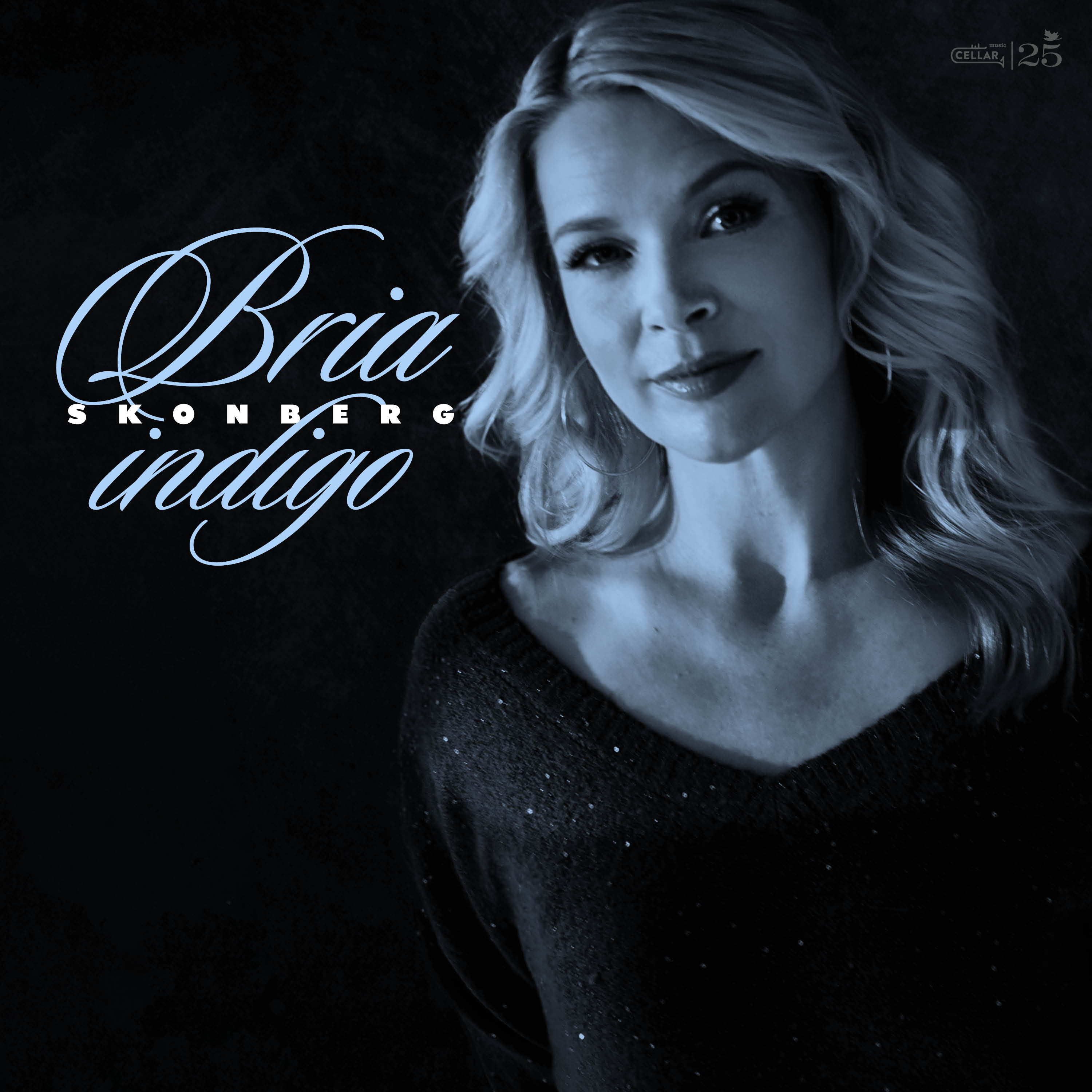
Juno Award-winning artist Bria Skonberg shares the breadth of her vocal expression with the release of Indigo on July 3, 2026 via Cellar Music Group. The anticipated partner to Brass, her 2026 trumpet-centered meditation, Indigo is a celebration of song, singing, and orchestrating for all the colors of her vocal artistry. Co-produced by Skonberg and her longtime collaborator Matt Pierson, these albums excavate both wholes of her creative identity. “After decades of figuring out where the trumpet and the voice come together,” she says, “I thought it would be interesting and challenging to explore them both, and that was it.” Asked frequently whether she’s a singer who plays trumpet or a trumpet player who sings, in recording Indigo and Brass, Skonberg realized she’s partly neither, and both entirely — a revelation to the artist whom The New York Times calls “the shining hope of hot jazz.”
“I had to work on them both, individually,” says Skonberg. “It’s always good to come back and sharpen the saw.” Indigo features the foundation of her Brass quartet, Eric Wheeler on bass and Darrian Douglas on drums, plus orchestration from her 2017 With a Twist collaborator, multi-Grammy Award winner Gil Goldstein, who also serves as the album’s pianist, complementing Skonberg’s intimate vocal — and its emotional resonances — with subtleties of tone and color. “What I love about Gil is he has such a huge imagination,” she says. “There was never any doubt he would be the person to arrange the album.”
The artists assemble a small but mighty orchestra, including Antoine Silverman and Entcho Todorov on violin, Yuko Naito-Gotay on viola, and Emily Brausa on cello, adding a distinct textural warmth from Kathleen Nester on alto flute and Charles Pillow on bass clarinet. “Gil and I settled on some really amazing sound combinations,” says Skonberg, “but once you pull together cello, alto flute, bass clarinet and where my voice sits, it’s just gorgeous.”
Where Brass captures Skonberg’s range as a technician and a style master, Indigo presents a level of vulnerability Skonberg is able to access vocally because she’s lived through the complexities and absurdities of life. “Indigo is an exploration in nuances: conversations, chemistry, fragility, and sense of self,” she says. “Many of these songs require a certain amount of life experience to be able to understand and interpret them, and at this point I feel like I’ve lived them all.”
Engineered, mixed and mastered by Christopher Allen, Indigo opens on Michel Legrand’s “Watch What Happens.” Adding a pedal to a partido alto feel, Skonberg bonds sophisticated with steadfast while Douglas’ brushwork creates a buoyancy around the hushed intensity of her vocal. “This song is my current love letter to humanity,” says Skonberg. “I’m hoping that we will see into each other’s hearts and make authentic connections.”
In back-to-back homage, “I’m Glad There is You” and “Mood Indigo” pay tribute to Sarah Vaughan & Clifford Brown and Miles Davis, respectively. The former transmits a plush, symphonic verse before Skonberg brings the tune into time, spotlighting a mastery over her vocal range: “It’s a beast, vocally, but it’s just a song about gratitude and being grateful for the people we love whether or not they’re with us.” The latter enters the iconic groove from “All Blues,” maintaining that reverence across the tune, including through Skonberg’s muted trumpet. “I like to put little Easter eggs in my albums,” says Skonberg, “for myself and the other jazz listeners.”
One of two songs appearing on both Brass and Indigo, “Between the Devil and the Deep Blue Sea” serves as something of a metaphor for the dual-album project. “It’s the feeling I have when I’m asked if I’m a singer who plays trumpet or a trumpet player who sings,” says Skonberg. “It sums it up: you’re stuck between two equally difficult decisions [laughs]. Also, the trumpet is the fiery part and the vocal is more the deep blue sea.” Alongside her nimble vocal, she delivers a swinging trumpet solo before joining Goldstein for a drum interlude that spotlights Douglas’ relaxed spontaneity.
Featuring Goldstein’s accordion and a beautiful solo gesture from Brausa, “If You Go Away” signals an emotional shift on Indigo. Through a lyrical whisper at once conversational and resonant, Skonberg sings directly into the listener’s ear. “It’s a little bit of a manouche French vibe,” she says. Originally recorded in French by the legendary singer Jacques Brel, the song has “just two parts, but it’s such a moment. There’s hope and despair — the fragility, the vulnerability — but there’s also strength in that, too.”
Indigo continues with a gripping arrangement of Sting’s “Fragile,” showcasing Skonberg’s muted trumpet. “Welcome to my party,” she says. “There’s always something old, there’s always something new, and then there’s always something in the middle that’s been kind of manipulated.” Her original song “So It Goes” emerged as an instrumental, which appears on Brass. Written in the style of a standard from the American Songbook, which Skonberg admits is “deceptively hard” to do, she soon realized the tune wasn’t finished. “I thought, ‘There’s a lyric here.” So she called her friend, the cabaret legend Ann Hampton Callaway to help her articulate the story. “It’s a love story that fell apart and then got put back together and then fell apart again [laughs].”
One of the record’s more complicated stories, “Tell Him I Said Hello” presents music & lyrics primed for Goldstein’s sensitive orchestration and Skonberg’s interpretive subtleties. “It’s a conversation with a friend who may or may not take what you’re saying to the person that you were in love with,” she says. “It’s so specific. And I’m realizing that great songwriting is taking a specific moment and making it universal. Gil wrote a beautiful arrangement that embodies the melancholy of lingering hope turning into reluctant acceptance.”
Indigo ends on a note of undying optimism, a hallmark of Skonberg’s expression as an artist and as a person navigating a troubled world. “We’ll Be Together Again” features cat-paw clarinet lines and blossoming orchestration. Skonberg approaches the song’s interval leaps with both technical poise and wonderment. But the meaning behind the tune informs her treatment of its components. “The sentiment of togetherness is important to me,” she says. “The way the album’s book-ended, ‘Watch What Happens’ is like, ’Let someone speak to your heart, stay open,’ and then the end thought is, ‘Remain in this space together.’”
Across Brass and Indigo, Skonberg’s message is clear: “I try to bring people together as much as possible. If I can get people having a shared experience, in live concerts, whatever their opinions or views are, to me that’s meaningful.”
Rachel Ashley’s call to sisterhood effortlessly blends Middle Eastern grooves and jazz on new single ‘Dreams of Peace’
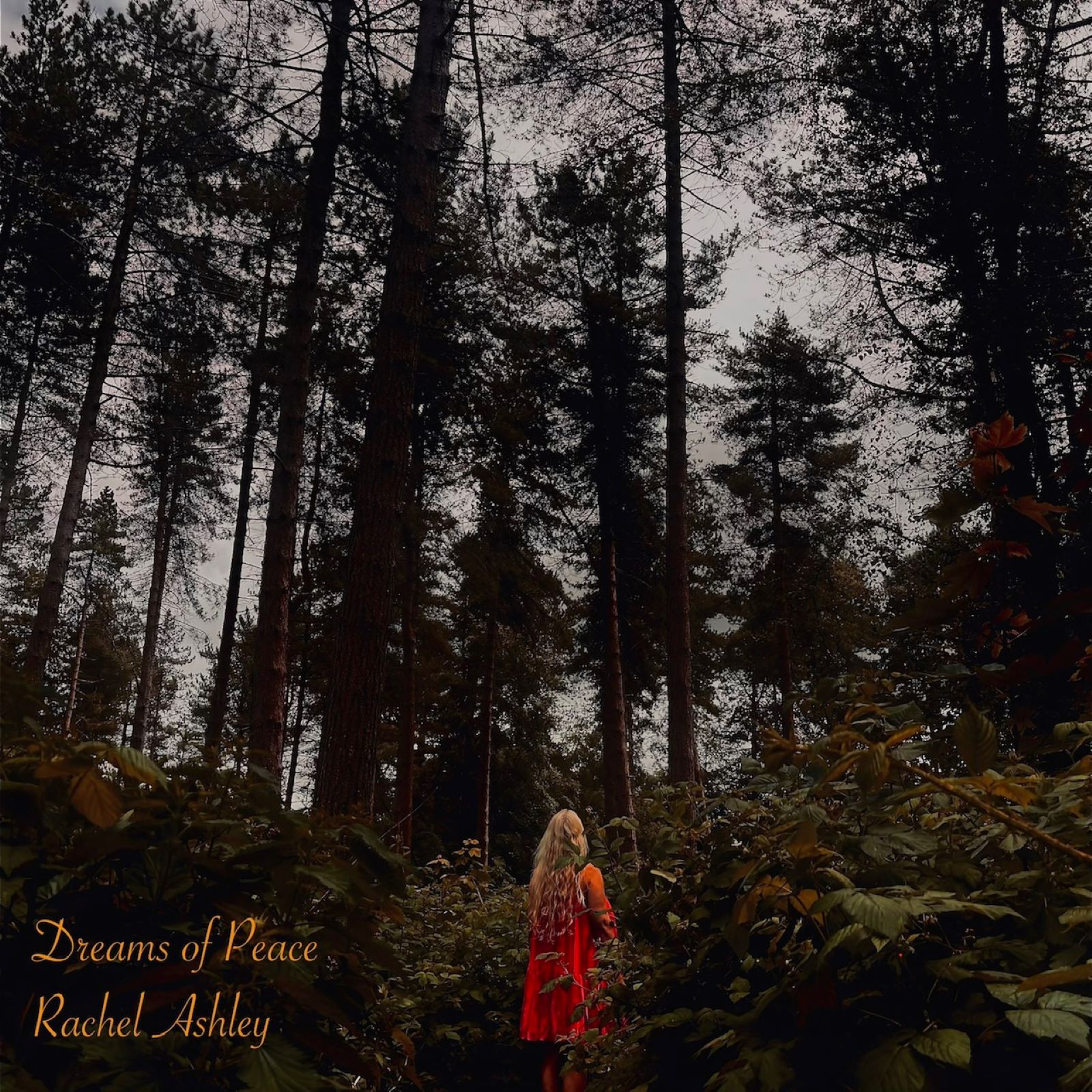
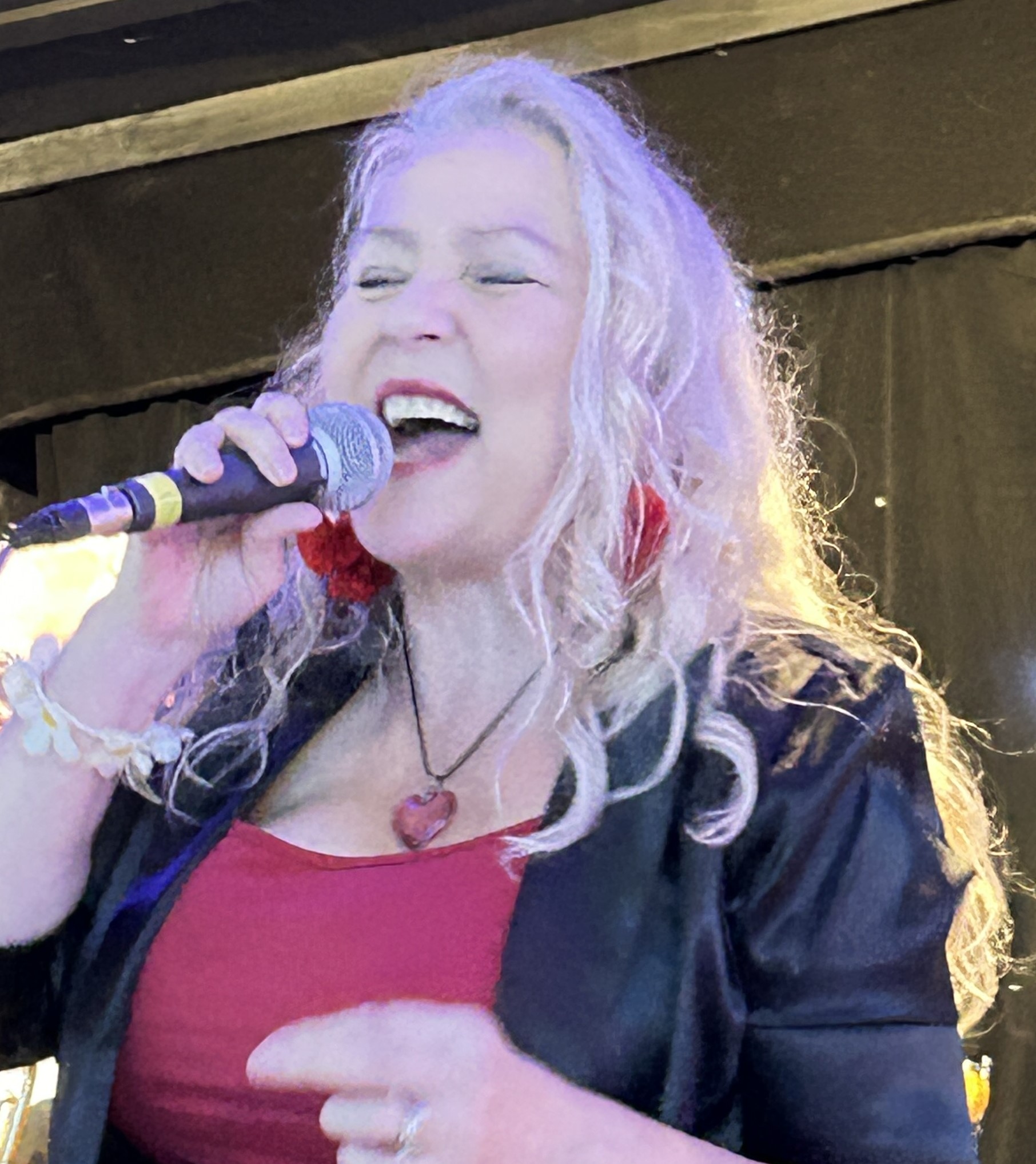
Released on the 29th June, Dreams of Peace is the latest single from experienced singer songwriter and voiceover artist Rachel Ashley. After spending many years on the road gigging and working as a studio session singer, Cheshire based Rachel has now returned to her first love - songwriting.
“Dreams of Peace is one of those songs that simply flowed out of me. It is an exploration of female power.
Of cooperation and creativity and most of all love. It’s about reclaiming our light in a very dark world right now.”
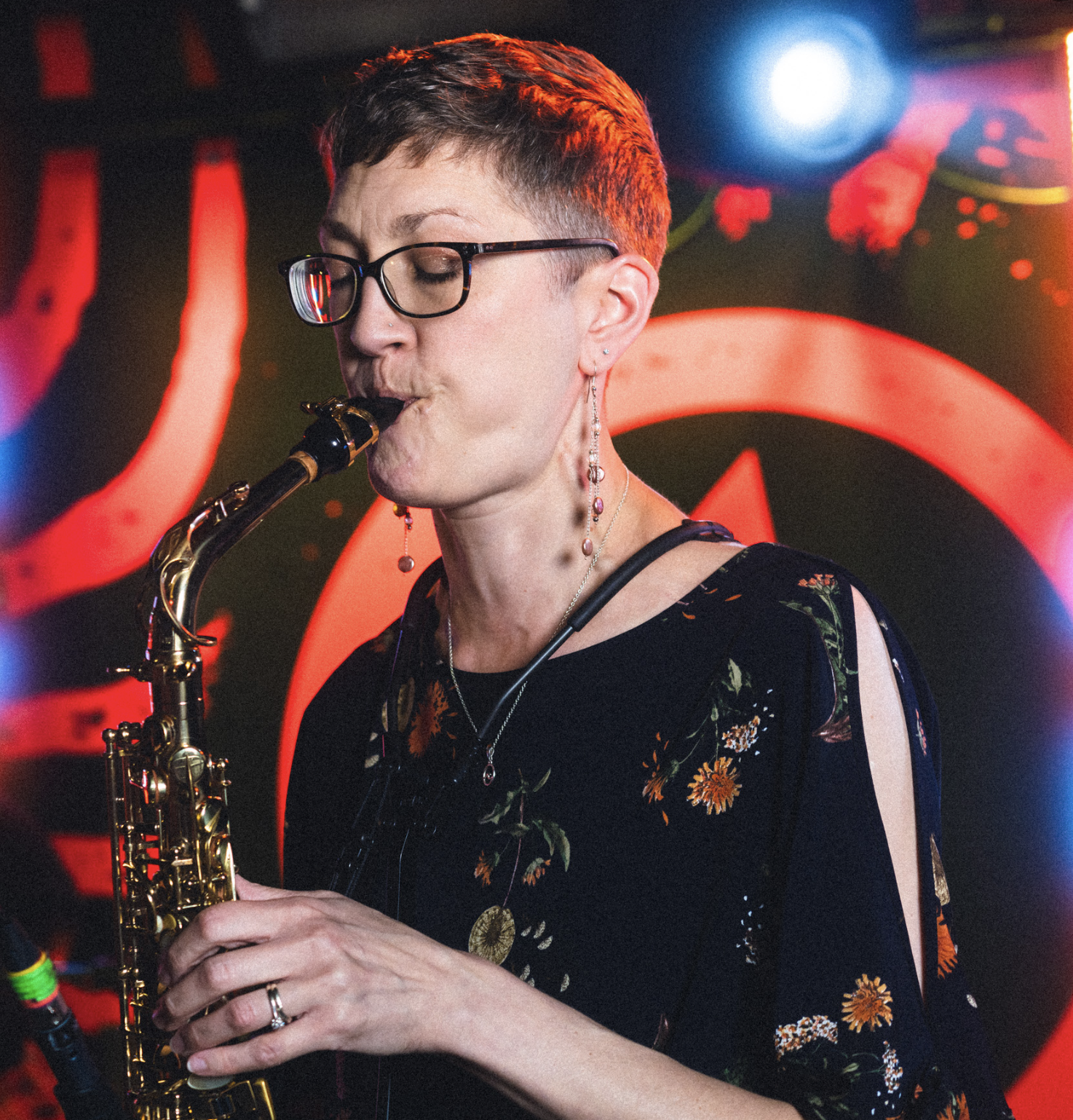
Dreams of Peace showcases the rich, emotive quality of Rachel’s voice and her love of vocal harmonies. The driving female energy is augmented by Helena Summerfield’s soprano saxophone - at first answering the call of Rachel’s vocals and then taking flight to enhance the song’s mystical atmosphere. “The heavy heartbeat drum, slightly panned to the left, and the strings provide a solid foundation for the weaving vocals and melodic soprano sax.” Acclaimed composer and producer for television and radio Maurice Cheetham added additional percussion, produced the final mix and mastered the track.
Helena Summerfield: A graduate of the Guildhall School of Music & Drama, Helena Summerfield is an accomplished saxophonist known for her versatile tone and expressive phrasing. Helena’s contribution to music education has been recognised at the 2021‘Will Michael Jazz Education Awards’ and
2022 ‘Parliamentary Jazz Awards.’
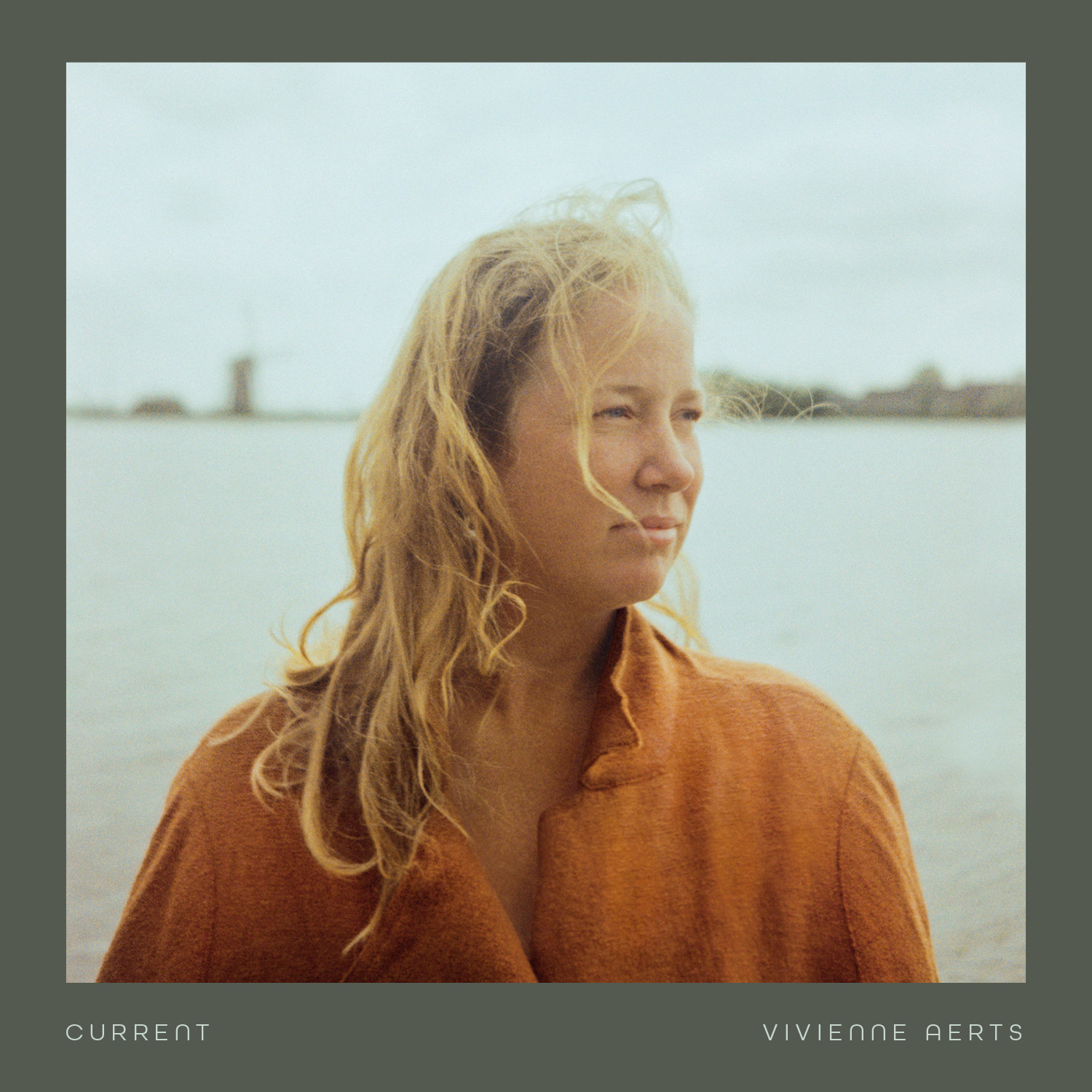
The story of Current: In the summer of 2025, vocalist and composer Vivienne Aerts set sail across the Dutch waterways aboard her 1951 mahogany sailboat De Vouw. Over two weeks she transformed the tiny boat into a floating studio, recording new songs and soundscapes that blur the lines between jazz, improvisation, and environmental art. Current captures the sounds of creaking wood, rippling waves, passing locks, and birds in flight, weaving them with voice, electronics, and acoustic instruments. The project explores how humans and water coexist - reflecting both the Netherlands’ heritage of “living with water” and the fluidity of creative life itself.
What began as an experiment in site-specific recording soon became a collective voyage. Aerts invited fellow Dutch musicians: Hermine Deurloo (harmonica), Susanne Alt (saxophone), and Adinda Meertins (double bass) to join her on different lakes and canals, each session shaped by the elements. Ted Steinebach documented the journey for a short film that will accompany the album’s release with help of NYC based Producer Art Jones. The resulting work blends documentary realism and sonic poetry, balancing spontaneity with deep listening, a continuation of Aerts’s long-term dialogue between mindfulness, sound, and community.
Set for release on 26th June 2026, Current invites audiences to reflect on the movement of water as both metaphor and environment. The album will launch with floating concerts in the Netherlands and the United States, alongside workshops and talks on creativity and sustainability. Building on Aerts’s acclaimed collaborative album Typuhthâng, Current marks her most intimate project yet, one that flows between continents, generations, and disciplines, reminding us that music, like water, is always in motion.
Biography:
The staggeringly versatile skill-set of NYC-based Dutch Singer, Educator, Psychologist and Artist-preneur Vivienne Aerts busts myths around the ‘Jill of all trades’ paradigm with a nonchalance that leaves even the most skeptical purist taking a bow. A Fulbright scholar and Suma Cum Laude Berklee alumna, she’s collaborated with jazz icons like Lee Konitz, Kenny Werner, Dave Liebman, and Chris Potter. Her third award-winning album, Typhthâng (2023), features 100 female musicians and comes with a bar of chocolate supporting Congolese female cacao farmers through a partnership with Original Beans. Known for her eclectic "Vervool" experience events with her husband, renowned pastry chef Ted Steinebach, Aerts’ interdisciplinary approach bridges music, psychology, and social impact. Since 2015, she has worked at Berklee College of Music, where she teaches a new wave of artists focused on mental well-being, addressing core issues that affect the arts ecosystem. Her innovative work spans mental health, education, and entrepreneurial artistry, challenging the status quo for creators and audiences alike. Up next is a new album, 'Current' that she produced on a tinysailboat, blending jazz, electronics, and vocal loops with water-inspired soundscapes.
This June, join us aboard a historic sailing vessel for a sunset performance unlike any other in the New York Harbor. On June 28, 7:30 to 9:30 PM, we present NEW AMSTERDAM SOUNDS. Cruise the harbor at golden hour while you enjoy sweeping skyline views and striking visuals projected onto the sails, all set to live music performed by Dutch-New York artist Vivienne Aerts. This floating concert features songs from Aerts’s new album Current, a project recorded aboard Aerts’s own 1951 Dutch mahogany sailboat, De Vouw, while traveling through the waterways of the Netherlands. Blending vocals, keys, electronics, and field recordings of creaking wood, rippling water, passing locks, wind, and birds, creating a sound world that is intimate, cinematic, and deeply alive. Moving between atmospheric song, improvisational texture, and subtle electronics, Vivienne’s music resonates with listeners of artists like Norah Jones and James Blake, while remaining unique on its own. For this special floating performance, these songs return to the water. As the sun sets over Manhattan, audiences will experience an immersive live performance featuring songs from her new album, atmospheric electronics, and projected visuals on the sails. Vivienne Aerts is known for creating interdisciplinary work that bridges music, mindfulness, community, and environment. Grammy member, a Fulbright scholar, Berklee faculty, and award-winning Dutch artist based in New York City, she brings together intimacy and imagination in performances that feel both personal and expansive. Whether you already know Vivienne’s work or are simply looking for an unforgettable New York summer night on the water, NEW AMSTERDAM SOUNDS offers a rare chance to hear a project born on Dutch waterways come to life against the skyline of Manhattan.
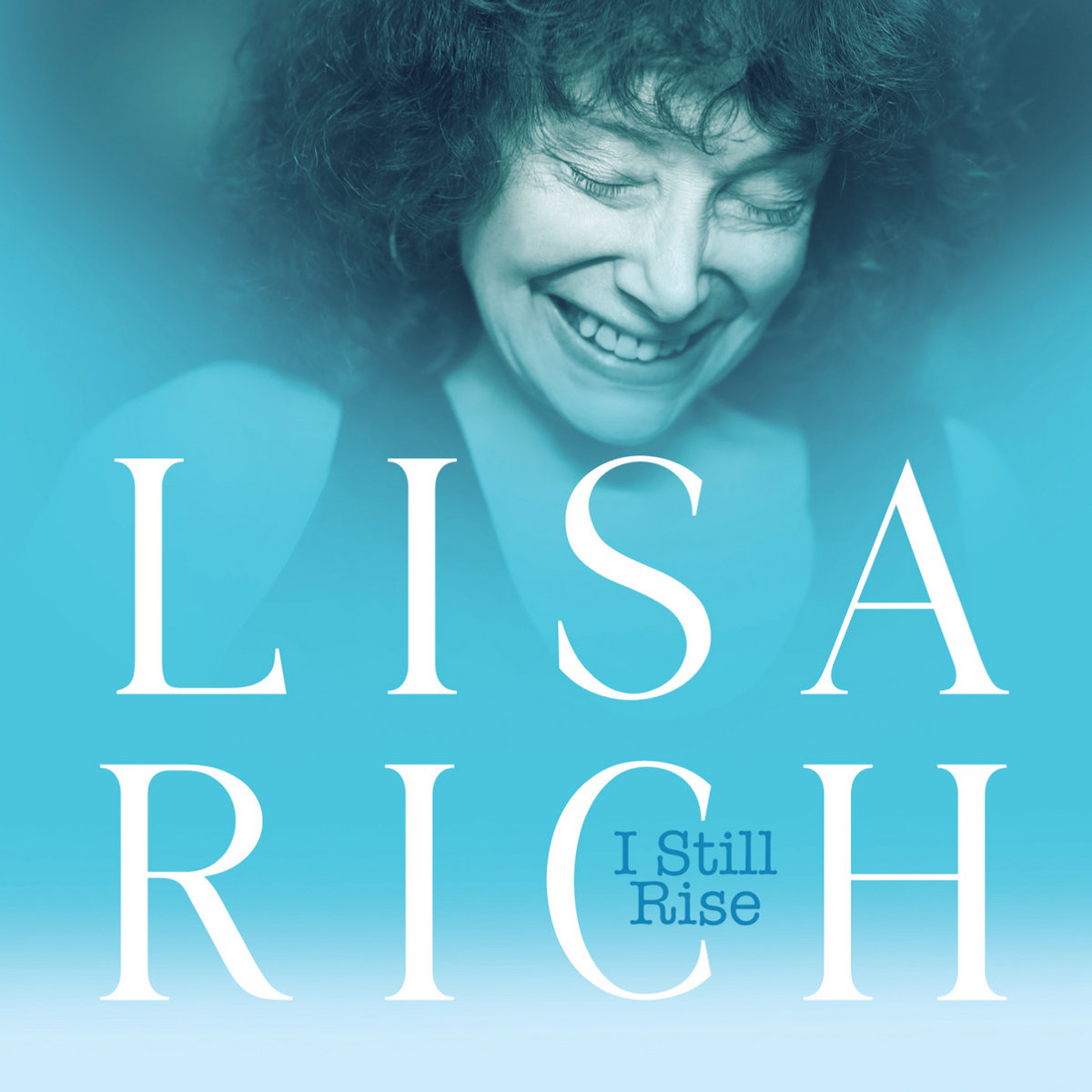
I STILL RISE, the title of the newest album by LISA RICH, came to her during a time of national protest. Unable to march with the crowds, she did what she has always done: she sang. She sat down and wrote a poem, then took it to the piano and set it to a minor blues — “How Can We Sing About Freedom?” — a song of resilience, her way of speaking through music to a troubled world.
Rich continued her recording comeback in 2024 with Long As You’re Living, which JW Vibe praised as “exquisite, exciting, and surprise-filled…her eclectic set finds her in giddy, happy-to-be-alive mode from the start, infusing the cheery, life-affirming title track with her wild and witty phrasing and whimsical, multi-octave scatting.” The album reached #51 on the JazzWeek chart and marked her first release since Highwire, which was recorded in 1987 and released in 2019 as the beginning of her comeback. Earlier in her career, Rich recorded two other acclaimed albums: Touch of the Rare (1985) with the Clare Fischer Quartet and Listen Here (1983).
Before stepping away from the stage, Rich’s career was flourishing. She performed historic concerts in China, sang in India, appeared at the Kennedy Center, served as an artist-in-residence at the Smithsonian Institution, and was frequently heard on NPR and Voice of America. When performing became impossible, she turned her focus to teaching and became a respected and influential voice teacher in Washington, D.C.
Rich credits her return to singing to the unwavering support of her close friend, the late jazz vocalist and master teacher Jay Clayton. During the pandemic, Rich began taking online lessons with Clayton twice a week. “She told me that if I could picture myself clearly and in detail accomplishing my dream, it would come true,” Rich says. “And it did.” Clayton traveled to Washington, D.C. to produce Long As You’re Living. Rich brought in Marc Copland and Drew Gress, friends from New York she has known for many years, while Clayton introduced her to trumpeter Dave Ballou. Clayton passed away in December 2023; Long As You’re Living is dedicated to her memory.
For I STILL RISE,Rich reunites with the same band from Long As You’re Living. She has known pianist MARC COPLAND since 1978; the prolific artist has recorded more than three dozen albums as a leader and appeared on many more as a sideman. She has known bassist DREW GRESS for over 40 years; one of New York’s most celebrated bassists, he has performed across Europe, Asia, and North and South America, and can be heard on recordings with Fred Hersch, Tim Berne, Dave Douglas, and Marc Copland, among many others. Trumpeter DAVE BALLOU has performed with jazz luminaries including Sheila Jordan, Dave Liebman, Joe Lovano, and Maria Schneider. He also worked closely with the late Gunther Schuller and was a featured soloist for the world premiere of Schuller’s Encounters.
Rich wanted to explore a different sonic palette — one without drums. “I liked the idea of creating more space for my voice and for the intimate interaction it allows with the other musicians.”
Rich’s warm, syrupy tone, hip phrasing, and tasteful, unforced scatting shine throughout the album. The group’s inspired interplay reflects decades of friendship and shared musical language. Rich selected the songs, but what unfolded in the studio was largely spontaneous — the introductions, the improvisations, and even the endings were created entirely in the moment. The entire album was recorded in just two days.
The tone is set immediately with the opening track, an unplanned and unrehearsed vocal-bass duet on “No Moon at All.” Rich simply pulled out the sheet music in the studio, and she and Gress began improvising. Rich and Copland bring a plaintive tenderness to Bill Evans’ “The Two Lonely People.” Next, Rich performs Jay Clayton’s instrumental “Beginner” as both the introduction and closing of her own “How Can We Sing About Freedom?” — a tribute to Clayton’s enduring influence as her mentor and beloved friend.
Rich sings “Estate” — Italian for “summer,” a heartbreaking song of longing and loss — in the original Italian. On Paul Desmond’s “Take Five” — the best-selling jazz single of all time — Rich offers a fresh, effervescent interpretation highlighted by joyful scatting. After hearing Rich’s recording of Denny Zeitlin’s “Quiet Now,” the composer wrote: “Wow, you are a helluva singer. I love your version of ‘Quiet Now.’ I love the timbre of your voice, your phrasing, the level of relaxation, the confidence, the way you inhabit the lyrics.” Kitty Margolis contributed lyrics to Wayne Shorter’s “Footprints,” retitled “Ancient Footprints,” with Ballou adding soulful, harmonizing trumpet lines.
Rich first performed “Like Someone in Love” with the Clare Fischer band, the Baltimore Symphony, and in China — but it took decades before the song finally found its place on a record. Ballou contributes a beautifully shaped solo on “Never Let Me Go,” which Rich delivers with heartfelt clarity. She closes the album with Thelonious Monk’s “It’s Over Now (Well, You Needn’t),” featuring her percussive scatting and Ballou’s deft muted trumpet.
Writing in Paris-Move, Thierry De Clemensat — who has followed Rich’s music since the 1980s — finds in the album “something increasingly rare: music that does not demand to be heard but quietly insists on being felt.” Author and lyricist Tony Cohan, known for his work with Chick Corea, says it simply: “This album doesn’t just sing about freedom. It exemplifies it.”