Harpist, vocalist and composer Tara Minton presents her brand-new album inspired by travels in México City, The Devil Invites You To Dance. In April 2023 Tara found herself in CDMX on tour with Slovak jazz artist, Ester Wiesnerova. Inspired by the vibrancy of the people and culture, in particular Latin dance, music and street art, Tara returned solo to México City in July 2023 for two weeks to write an album. She rented a casa pequeña in Coyoacán, and with the generous support of Emmanuel Padilla Holguin and La Asociasión Latinoamericana del Harpa (ALDA) she was able to borrow a harp and get to work. After two weeks of cultural immersion and inspiration, Tara returned to London with the completed manuscripts, fundamentally changed by her experiences.
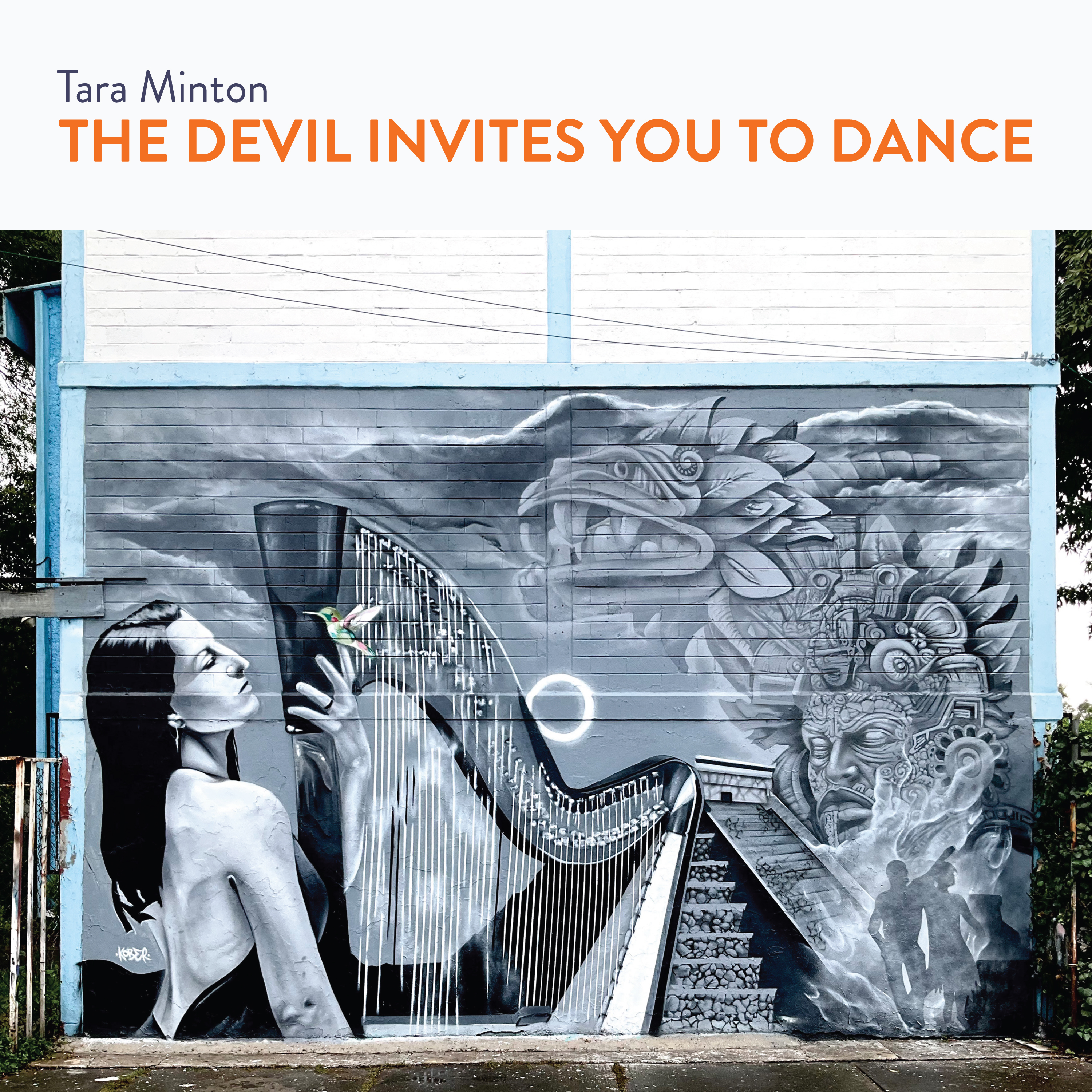
'The Devil Invites You To Dance' follows a soul’s journey through the Underworld of shadows and desire. Diving deep into Aztec mythology and Latin American dance traditions, the listener is invited on a dark and joyous exploration of what it means to be human. Beyond "should" and "shouldn't" is the place where we meet ourselves with raw honesty. The album features lyrics in both English and Spanish, with a special collaboration between Tara and Mexican poet/composer Emilio Yañez Ruíz who penned the lyrics to 'Cariño', a romantic bolero inspired by the legendary love story between México's most famous volcanoes, Popocatépetl and Iztaccihuatl. The album artwork is by renowned Méxican muralist and street artist, kober_mx. The large-scale public mural can be visited in greater Coyoacan and exists as a permanent piece of living art in México City.
The Devil Invites You To Dance was recorded in April 2025 at Fish Factory Studio and engineered by Sonny Johns. It features a stella British/Latin American band including Miguel Gorodi (UK) on trumpet and flugelhorn, John Williamson (UK) on double bass, David Ingamells (UK) on drums and Emilio Yañez Ruíz (MX) on percussion. The album also features some very special guests: Ernesto Marichales (VE) on 'Shadow Dance' - a lively Joropo style harp and maracas duet inspired by an afternoon in Puebla, dancing in the shadow of Popopcatépetl, and vocalists Sara Colman (UK) and Clare Wheeler (UK) who appear as the Triple Goddess on the album's first single, 'En Otra Vida' (In Another Life).
The Devil Invites You To Dance is scheduled for release on Adhyâropa Records on the 11th of September, with the launch concert confirmed Upstairs at Ronnie Scott's on the same evening at 6pm. Tickets here
The music of saxophonist and composer Brittany Pitt, and, by extension, her trio Shapeshifter exemplifes the spirit of an emerging generation of jazz artists in Toronto. Rather than towing the straight-ahead line or diving headlong into free improv and or hopping aboard other vehicles for pure exploration, this group of artists—like many of their European peers—embrace eclecticism and experimentation within an open-ended jazz framework.
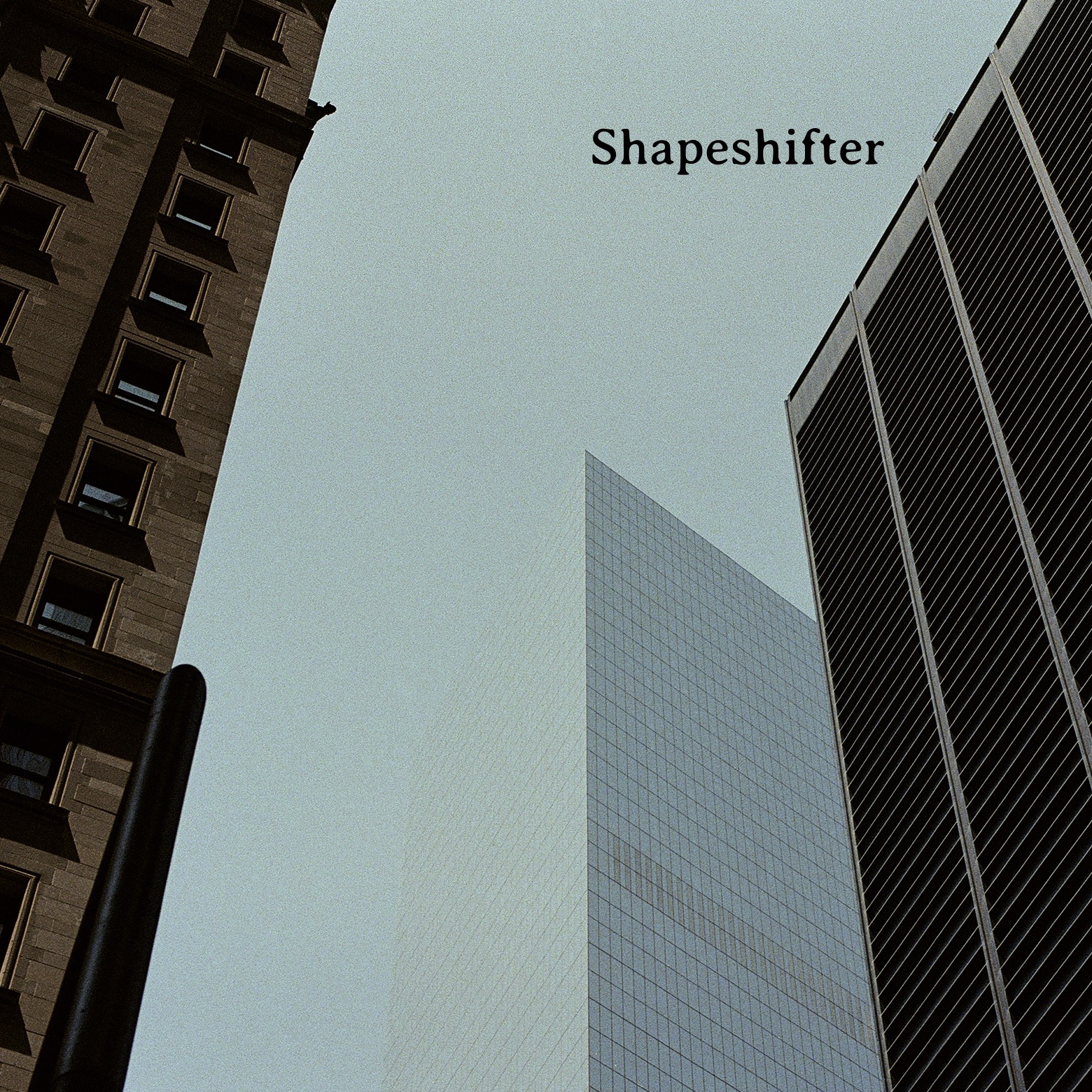
Shapeshifter's self-titled debut recording is also Pitt's debut as bandleader and primary composer. It's slated for release on theLit Soc imprint, a relatively new label founded by the team behind Sellers and Newel, a beloved local bookseller that doubles as an intimate venue that often foregrounds curious-minded jazz that has included everyone from 2026 German Jazz Prize winner Lina Allemano to the GRAMMY-Nominated bassist Stephan Crump.
Like the label's other outings, Shapeshifter was captured live of the foor at the store itself, a move that ensures both a sense of unfettered invention and unadorned closeness are baked right into the audio. Although Pitt's trio has its moments of repose, there's often an energetic current that courses through the music, and the feeling of proximity in the recording heightens this intensity and the idiosyncratic dynamic the three players share.
Shapeshifter was very much informed by a recent milestone in Pitt's professional life—attending the School for Improvisational Music in New York last August. There, she worked and studied under celebrated artists Ralph Alessi, Matt Mitchell, John Hebert, Tom Rainey and Tim Berne, and their mentorship helped her to fnd creative strategies for navigating her own compositions as a performer, while also helping her to harness the individual strengths of bandmates as a leader. Directly after completing the SIM program, she returned to Toronto to form this very group.
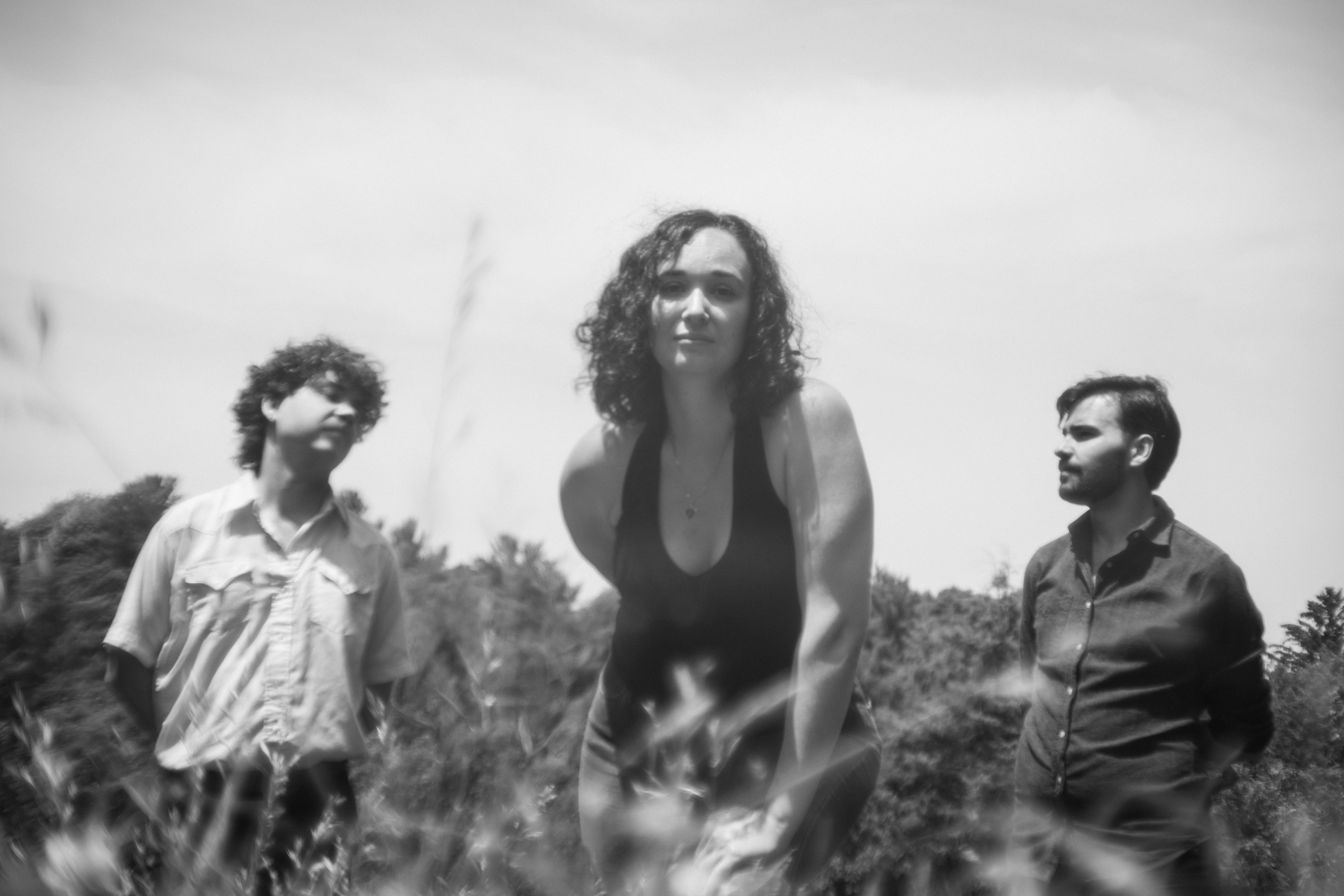
Pitt remains on tenor throughout the album, and is joined by guitaristDan Pitt (known for his eponymous ensembles as well as Arid Landscapes, alongside Noah Franche-Nolan) plusAidan McConnellon drums—member of current "it" indie rock outft Potions, Burs, Alex Lukashevky’s band and others. The absence of low-end in the band imparts a unique sound, and it certainly doesn't hamper their propulsiveness. What it does instead is allow them the freedom to transition seamlessly from a more airborne sense of pulse to something more grounded and driving and one witnesses this very thing on the opening cut, which aptly bears the group's name.
"Shapeshifter" opens with a spacious feel that coyly employs syncopation. Throughout a clean, dextrous, but not terribly aggressive guitar solo, McConnell's drumming grows progressively more urgent and once the tenor joins the fray, the percussion saturates the aural feld, despite the two Pitts remaining rather sober in their delivery. McConnell's fervour continues to expand as he himself takes a solo before a return to the head.
"Union Street" begins in a decidedly more abstract manner with the two melodic instruments lurking within McConnell's cracked pulse for a minute before unveiling the primary theme in an elusive rubato. As the written material becomes an improvised exchange, the guitar and saxophone maintain their enigmatic restraint despite the seeming eforts of the drums to whip them into a frenzy.
Other tracks such as "Mentally Heavy" and "Don't Rush" elaborate upon the tension and vigour displayed in the frst track, with the guitar adopting a more fery tone at points throughout. "SIM" takes the opener's use of syncopated sparsity a step further to create a sense of slow fragmentation that transforms into a kinetic double-time feel. Meanwhile, pieces such as "Meaningful Conversations," and the closer "Entranced", exhibit contrast through their atmospheric expressivity, with breathier sax playing, efects-bathed guitar, and airy, brushed drums. "Prospect," the album's ffth cut, fnds a midpoint between these two poles where light, brisk playing from McConnell infuses the gauzy saxophone and guitar textures with excited momentum.
In addition to showcasing Brittany Pitt's unique musical sensibilities as both a performer and composer,Shapeshifter's self-titled debut is a varied and assured document that serves to situate her within the burgeoning scene within jazz that has been brought about through other players of her generation. Te ethos touted within that community recognizes the rich history of jazz, not as a static genre to be reconstituted but as a form that can interface with numerous other sounds and concepts while still retaining its identity.
Toronto-based saxophonist, composer and improvisor Brittany Pitt discovered her love of music at a very early age and nurtured this interest throughout childhood. After completing an Applied Music Diploma at Hamilton's Mohawk College, she entered the music program at University of Toronto where she graduated with a Bachelors Degree in Comprehensive Music studies. Her instructors there included the likes of John Johnson, Tara Davidson, Kelly Jeferson, Andrew Downing, Mike Murley, and Terry Promane—staples of the Toronto jazz scene.
Since finishing at U of T, Pitt has become fully immersed in Toronto's music community as well as that of her hometown of Hamilton, Ontario, routinely performing in venues across both cities, including the Rex, the Corktown, the Tranzac Club, Sellers and Newel, Te Jazz Bistro and the Emmet Ray. She has been heard alongside such artists as Laura Swankey, Ashley Urquhart, Harry Vetro, Simone Baron, Tania Gill, Aline Homzy, Karen Ng, Ethan Ardelli, Devin Patten, Robert Diack, Alex Fournier and Alex Lakusta. In addition to Shapeshifter, Pitt also leads the band Reverie, a group that shares a similar outlook to that of the recent wave of fusion such as ADHD, Donny McCaslin, Slowly Rolling Camera and Terri Lyne Carrington. Tis group sees Pitt augmenting her saxophone with electronic treatments while being joined by Dan Pitt (guitar and efects), Caleb Klager (electric bass and efects), and Stefan Hegerat (drums).
Shapeshifter will be launching this album at:
Sellers and Newel in Toronto on September 4th at 8pm
followed by shows in Guelph, Ontario at Silence on October 9th (8pm) and
Montréal's storied Casa Del Popolo on October 19th (8pm).
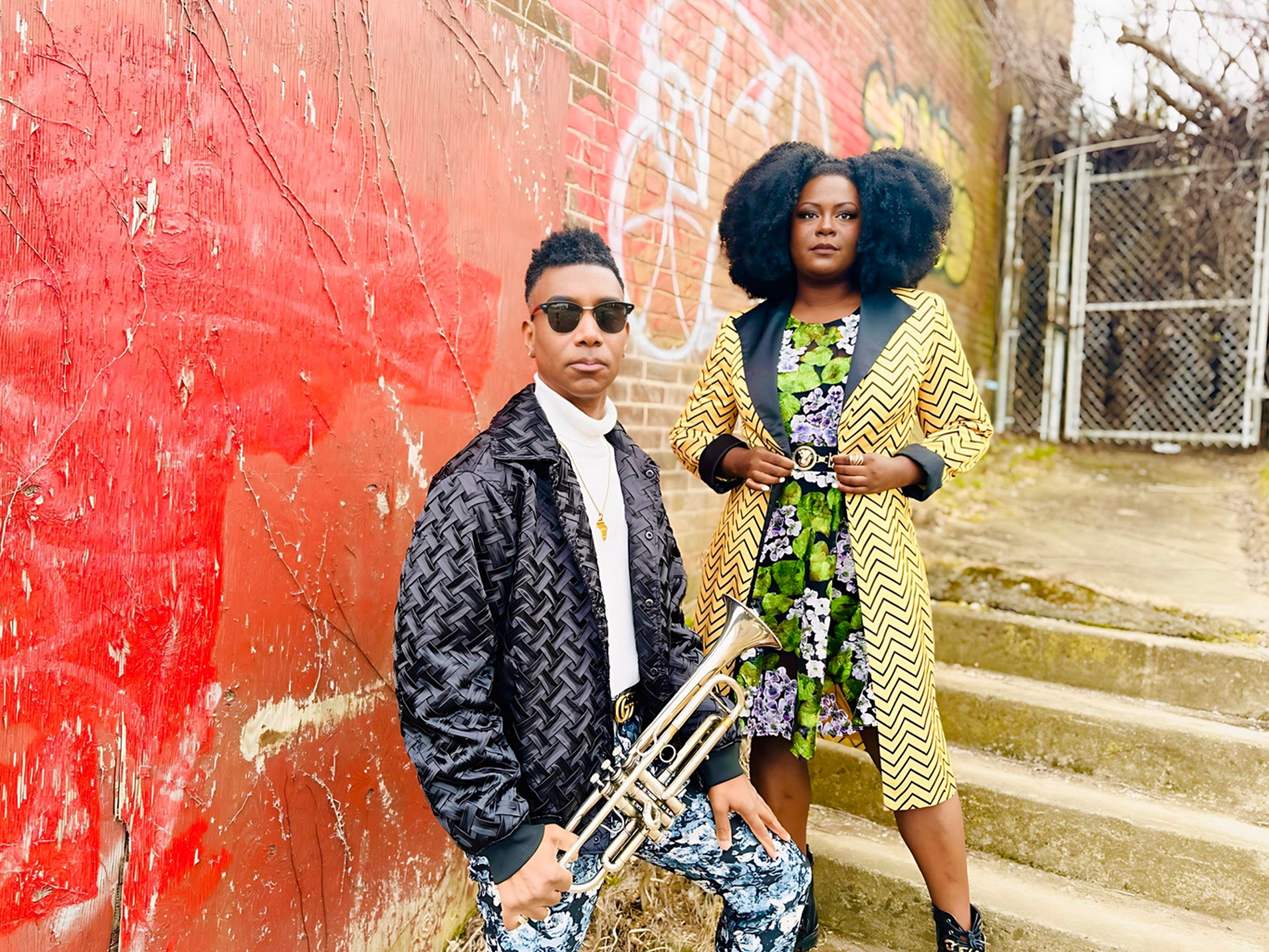
Dishes Ain’t Clean is the forthcoming album by Sounds of April and Randall, the project led by vocalist, songwriter and 2024 Sarah Vaughan International Jazz Vocal Competition winner April May Webb and Juilliard-trained trumpeter, composer and bandleader Randall Haywood.
Out August 21, 2026 via Soaring Records, the self-produced album gathers 13 original tracks that carry jazz into R&B, country, gospel, world-pop, hip-hop, strings-laced modern jazz and straight-ahead swing. Webb wrote all of the album’s songs, with Haywood contributing to the closing track. The project was developed with mentorship from T.S. Monk and made possible through Chamber Music America’s Performance Plus Program, funded by The Doris Duke Foundation, and New Music USA’s Next Jazz Legacy Program.
For Webb and Haywood, Dishes Ain’t Clean turns a household chore into an album-length metaphor. The title came from dirty dishes in their kitchen, then grew into Webb’s reflection on self-presentation — especially online — and the unfinished realities people hide from view.
“The dishes in our house were not clean,” Webb says. “Every time I walked into the kitchen, I’d see them and think, ‘Man, the dishes ain’t clean.’ Then I realized it could have another meaning. If I took a photo, I could crop out the stuff that didn’t look good and present the most polished version of myself. That became the meaning of the record: showing the unfinished parts, the parts you try to hide. I’ve come to learn that those are the parts that actually connect you to people when you are the realest version of yourself.”
Haywood hears the album as a passage from restlessness and private struggle toward self-possession. “If you are unsatisfied with your life, this record walks through those emotions,” he says. “It pulls out that feeling of wanting more, but it also brings you back to the fact that you do have something great. You should be happy about it, and you have the power to move forward.”
Terri Lyne Carrington has praised the results “Dishes Ain’t Clean is a superbly produced eclectic offering from the dynamic vocal/trumpet duo, giving strong cinematic, singer-songwriter, and R&B vibes along with beautifully swinging tracks for your staunch jazz and hybrid jazz fans,” she says.
Dishes Ain’t Clean arrives after a decade of work by a married bandleading team with national jazz credentials. Webb won the 13th Annual Sarah Vaughan International Jazz Vocal Competition at NJPAC in 2024 after years of applying while developing her own body of work. Haywood, a graduate of The Juilliard School and musical director for The T.S. Monk Band was named “Male Rising Star” by Hot House Jazz Magazine and Jazzmobile; in 2019, Sounds of A&R won “Best Jazz Group” in the same NYC Readers Jazz Awards.
The group has also served as U.S. Cultural Ambassadors through American Music Abroad, toured Fiji and Tonga through the State Department program, received support from Chamber Music America and South Arts, and earned national chart attention with prior releases including Questions Left Unanswered, which peaked at No. 12 on the National Jazz Week Charts.
The lineup on Dishes Ain’t Clean grows out of the group’s long-running circle. The album features Webb on vocals; Haywood on trumpet, flugelhorn, synthesizer, vocals and percussion; Dr. Ryan Tomski on piano and Rhodes; Jacob Webb on bass; Dr. Nathan Webb on drums; Charlie Sigler on electric guitar; Drew Cooper on nylon guitar; and Gabe Valle on violin, viola and cello. Webb’s brothers, Jacob and Nathan, have long anchored the group, while Tomski, Sigler, Cooper and Valle weave Rhodes, electric guitar, nylon guitar and strings into the core sound.
They recorded the album at Mozart Studios in Little Falls, New Jersey, with engineer Kostadin Kamcev; Paul Wickliffe at Skyline Productions in South Orange mixed and mastered it. Haywood describes the sessions as a hybrid of live-band recording and later studio construction.
“We took our band into the studio, but we also developed the record over time in the modern way,” he says. “We laid down the foundation with everybody together, then we added other textures and had musicians send in parts. It became a collection of both approaches — the traditional way of recording and the contemporary way.”
Chamber Music America’s Performance Plus Program gave Webb and Haywood the opportunity to bring T.S. Monk into the project as a mentor during rehearsals and recording, connecting the album directly to a living jazz lineage. “This is a record I’ll be proud to say I was in the studio when they made that record,” Monk says. Webb puts the album’s range plainly: “All of the songs are original compositions, and they take you through all of the spans of genres that we love,” she says. “But the through line is jazz.”
Webb grew up in Newton, Kansas, where her mother played classical piano and her parents placed all three children in music. Her brothers Jacob and Nathan became musicians themselves, and both appear throughout Dishes Ain’t Clean. Haywood also comes from a musical family: his father played with artists including Rufus Thomas, Al Green and the Bar-Kays, while his uncle performed with James Brown, Jimi Hendrix and Betty Wright.
Webb carried the album’s title concept back to her family home in Newton, where she and Haywood staged the cover image in the kitchen. They stacked dishes around the room, Webb’s mother photographed the scene, and Webb later digitally added the grime.
Their partnership began at Moore’s Lounge in Jersey City, where they played together at a jam session before they had even spoken. That night launched both their musical partnership and their marriage. Webb, who studied jazz at William Paterson University, and Haywood, whose path runs through Juilliard, formed Sounds of April and Randall in 2014 and began building a sound that carried jazz through country, R&B, gospel, pop and soul.
In 2017, they released both Let’s Stay Forever — a smooth-jazz-leaning album produced by Jacob Webb for Trippin ’N’ Rhythm Records — and Sounds of A&R, their band debut as a self-defined creative unit. In 2021, Questions Left Unanswered pushed the group’s reach outward with originals, standards and reimagined material, including “Jolene,” “Killing Me Softly,” “Social Call” and the title track. Inspired by the success of earlier releases — the debut single from Let’s Stay Forever peaking at #17 on Billboard's Contemporary Jazz Charts — Haywood describes Dishes Ain’t Clean simply as: “Who we are.”
The album opens with “I’m Never Satisfied,” a bright, world-pop-inflected statement with traces of amapiano, Afro-pop and Latin rhythm. Under the groove, the song asks why people keep wanting more even when they already have food, shelter, money, attention and love — and why that desire can dull their compassion toward those with less.
“We wanted to start the record with that question,” Webb says. “Why do we feel like we have to continue to have more and more? Even when you reach a certain goal, you start looking around for the next one. It becomes this never-ending cycle of wanting.”
“Everybody Ain’t Gonna Like You” follows its prelude like a classic standard setting up its own verse. Webb wrote it after a difficult family situation, but the point reaches beyond the original trigger: some people reject you for conflicts you did not create, and freedom begins when you stop begging for approval from the wrong room. “The moral of the story is that there is a community that is for you,” she says. “When you find that community, you won’t have to try so hard.”
“I’d Spend It With You” shifts the record into a country-tinged, Americana-colored space, with acoustic and slide textures framing a simple question: if you knew it was your last day on earth, who would you spend it with? Webb first heard the melody in a dream and captured it immediately on her phone before it disappeared.
“Cottonwood Tree,” introduced by its own prelude, brings the album back to Webb’s Kansas roots. She wrote the song while visiting her parents in Newton, sitting in the backyard beneath the large cottonwood tree she grew up with. The song became one of her signatures and one of the defining pieces of her Sarah Vaughan Competition victory. When producers hesitated over her plan to close with an original, Webb trusted the song and her own story.
“I was sitting underneath that tree, and I thought, ‘I’m finding what I need sitting underneath this cottonwood tree,’” she says. “I knew that had to become a song. So many people leave where they come from to pursue their dreams, and they understand that feeling of longing for home. I wanted to share who I was.”
“The Way Life Used to Be” and “Life’s Continuum” form a pandemic-era pair. Webb began the first tune while thinking about the world before lockdown — and the simple freedoms people only recognized once they were gone. “You didn’t realize you had it good until you didn’t,” she says. Haywood and the band placed the song in an open, string-framed jazz setting, with Gabe Valle’s orchestration bringing beauty and space into a memory of confinement. “Life’s Continuum” extends that feeling into a loop that builds and builds, with Nathan Webb’s drums pushing the emotion toward release.
The title track, “Dishes Ain’t Clean,” arrives as the album’s central thesis and its heaviest R&B statement. Haywood drew on the laid-back adult R&B and hip-hop-inflected feel of Jazmine Sullivan’s Heaux Tales, while Webb turned the dirty-dishes image into a song about performance, concealment and the pressure to look whole.
“We wanted to go hard R&B,” Haywood says. “There are hip-hop elements, some old-school adult R&B, some neo-soul flavor, and I’m rapping in there. It starts dark, but as the record progresses, it brightens. There is beauty in it. There is hope.”
“He Fell in Love” tells the story of Webb and Haywood’s first meeting at Moore’s Lounge in Jersey City — at a jam session led by legendary jazz drummer Winard Harper — where music came before conversation. Webb wanted the song to unfold like a story rather than a hook-driven sketch, tracing the night they met as both the beginning of the group and the beginning of their life together. “We were performing with each other before we had spoken to one another,” she says. “That was the catalyst for us as a group, but also for us as a love story.”
“The Sunken Place” draws its title and emotional frame from Jordan Peele’s Get Out. Webb wrote from the feeling of falling into dark mental spaces that other people cannot see. In the lyric, she imagines the interior mind as “a dismal space” that might frighten someone away if they could fully witness it. Musically, Haywood frames the song in an avant-garde jazz setting with strings and an ambient classical edge.
“Learning the Hard Way” strips the band back to Webb and Haywood. After recording it with the full group, they wiped the slate clean and rebuilt the track themselves with electronic instruments, dance-pop rhythm, Middle Eastern percussion colors and a global-pop feel that echoes the opening track. The theme is blunt: no one reaches a difficult goal without bruises. “You don’t get where you’re trying to go without falling,” Webb says. “You have to fail before you prevail.”
The album closes with “You Are Everything,” Haywood’s contribution to the writing and the record’s clearest statement of resolve. “You are everything you need,” Webb says. “You can accomplish your wildest dreams, but it has to start with you. Once you know what you’re trying to do, you can find the tools within yourself. Finding meaning and purpose in your everyday life — in the bad times as well as the good — really makes up the fabric of your life.”
“There are things that are not quite right socially, and maybe things that are not right within yourself,” Haywood says. “But you have the power. You are everything you need to elevate yourself.”
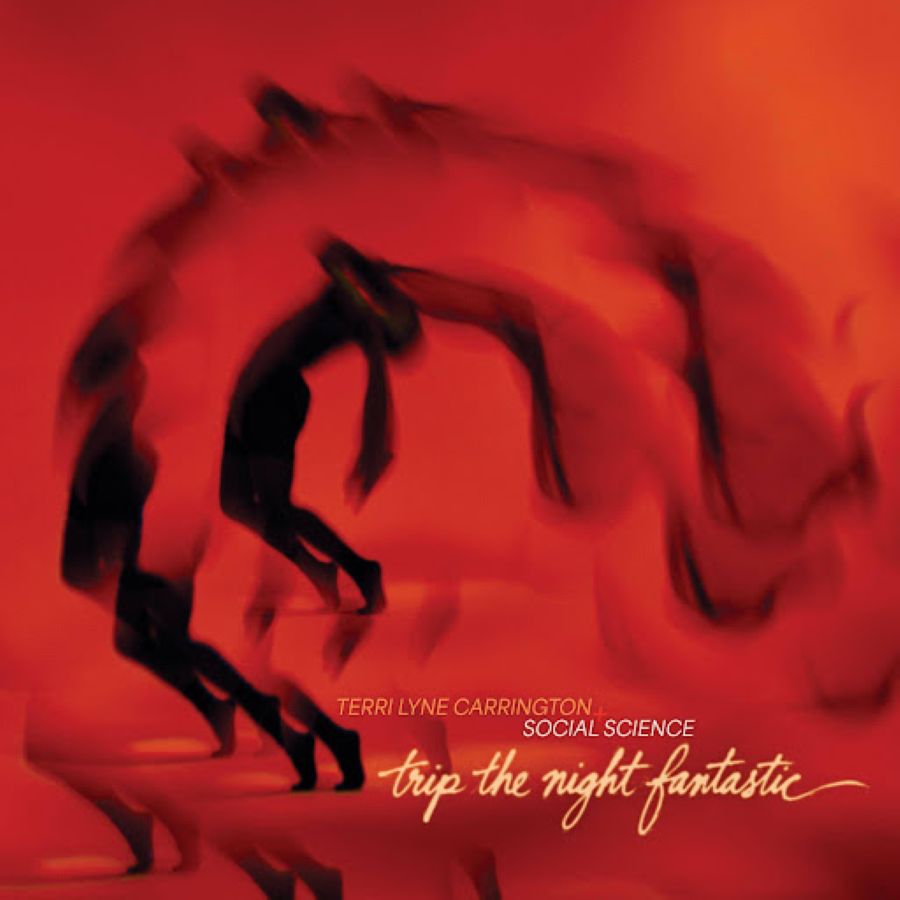
The acclaimed Social Science collective (Matthew Stevens, Aaron Parks, and Morgan Guerin), led by four-time GRAMMY Award-winning drummer, educator, and activist Terri Lyne Carrington, returns with a new record to follow up their 2019 GRAMMY-nominated debut, Waiting Game. Boasting an illustrious roll call of emcees, spoken word artists, and instrumentalists, Trip the Night Fantastic explores systemic and contemporary themes that demand the listener’s attention, call them to action, and add stunning breadth to the time-honored tradition of amalgamating art and activism.
Climate change, immigration, gender justice, women’s empowerment, community building, and animal rights are all elucidated with a freshness, depth, and creative brilliance that can only be birthed from a group whose creative core is rooted in empathy and humanity.
Speaking on the inspiration, Carrington shares, “We set out to make a dance album ― music to make you move. The title is wordplay derived from the phrase ‘Trip the Light Fantastic’ (from John Milton’s 1645 poem ‘L’Allegro’), which implies dancing agilely, and with fancy footwork. We flipped the word ‘light’ to ‘night’ to reference the darkness being faced in trying times. While the album may inspire dancing, more importantly, we hope it inspires more care for one another.”
“A friend once told me that if we want the liberated future we hope for, we have to make it feel irresistible,” adds pianist Aaron Parks. “We need to make radical reimagination feel so enticing, so electric, that why would you not want to go there? I think that’s one of the things Social Science does really well. This is protest music at its core in many ways, but it’s also very much for something rather than just being against it. Terri’s vision as a producer is meticulous and clear-eyed but always open to surprise, and the way this record was built collaboratively, with many songs composed together and then shaped and reassembled, resulted in something I’ve never quite heard before. I love these people, this band, and I’m very grateful to be part of it.”
Featured throughout this new recording are vocalists Ledisi, Arooj Aftab, Michael Mayo, Miki Howard, Fatoumata Diawara, Debo Ray, Christie Dashiell, Lizz Wright, Vuyo Sotashe, Safa, Imani Rousselle, and Ian Michael; instrumentalists Brandee Younger, Marc Ribot, Larry Goldings, Rashaan Carter, Simon Moullier, Riley G, and Brenda Navarrete; emcees Nappy Nina, Kokayi, Kassa Overall, and Khemist; and spoken word artists J. Ivy, aja monet, Tarriona ‘Tank’ Ball, and Moor Mother.
Large-scale collaboration has been a major hallmark of Carrington’s recording career since her groundbreaking 2012 GRAMMY Award-winning Mosaic Project. Between the first Social Science project and this one, Carrington released the GRAMMY Award-winning New Standards Vol. 1 and the GRAMMY-nominated We Insist 2025! with vocalist Christie Dashiell, reimagining Max Roach and Abbey Lincoln’s seminal 1960s civil rights project, We Insist! Freedom Now Suite. “This felt like the right thing ― to collaborate and not just leave everything up to my own devices,” reveals Carrington. “I’m about collectivism versus individualism, and I always wanted to be in a band for this reason. There’s a beautiful Buddhist adage that sticks with me: ‘Many in body, one in spirit.’”
While touring with Aaron Parks and Matthew Stevens in 2014, Carrington recalls meaningful conversations with the two musicians that centered around social issues and feeling a great sense of alignment. “I just knew I wanted to do some kind of project with them. I thought it would be great to start with that foundation, not knowing at the time how much it would evolve. After Aaron and Matthew agreed, I suggested the addition of virtuoso multi-instrumentalist Morgan Guerin.” Thus, Social Science’s nucleus was born, and their first project (culminating summer of 2020) was met with critical acclaim and a timeliness that to some felt uncanny.
Most of the current album’s material was written jointly by the four core band members, illustrating the band’s practice of collaboration. Carrington has maintained the role of primary lyricist, while welcoming contributions from band regulars Kokayi and Debo Ray. “It’s been an honor working with these extremely gifted musicians,” Carrington reflects. “Both Aaron and Matthew are part of the pantheon of great improvisers and stylists on their instruments, and Morgan is absolutely one of a kind. He not only produced the album with me, but plays 12 instruments on this project as well!”
As we pass the halfway mark of a decade that has been plagued by unavoidable truths about the gulf that separates the American dream and the American reality, the urgency of the moment becomes increasingly glaring. Terri Lyne Carrington + Social Science meets the moment head-on, feeling a moral and creative obligation to engage with the pressing issues of our time. Through their thoughtful collective work, they create deeply affecting music that captivates and challenges their audience.
Ultimately, Trip the Night Fantastic is about community and hope. Not from a place of naivete, rather from within a space of introspection, compassion, activation, and community. “If we thought things would never get better, there’d be no hope or reason to work toward anything,” says Carrington. “Hopefully, people choose to do their part however they can, but what’s important is being empathetic and authentic. We set out to make something that can offer windows to imagining a future where the concern for society and humanity is prioritized."
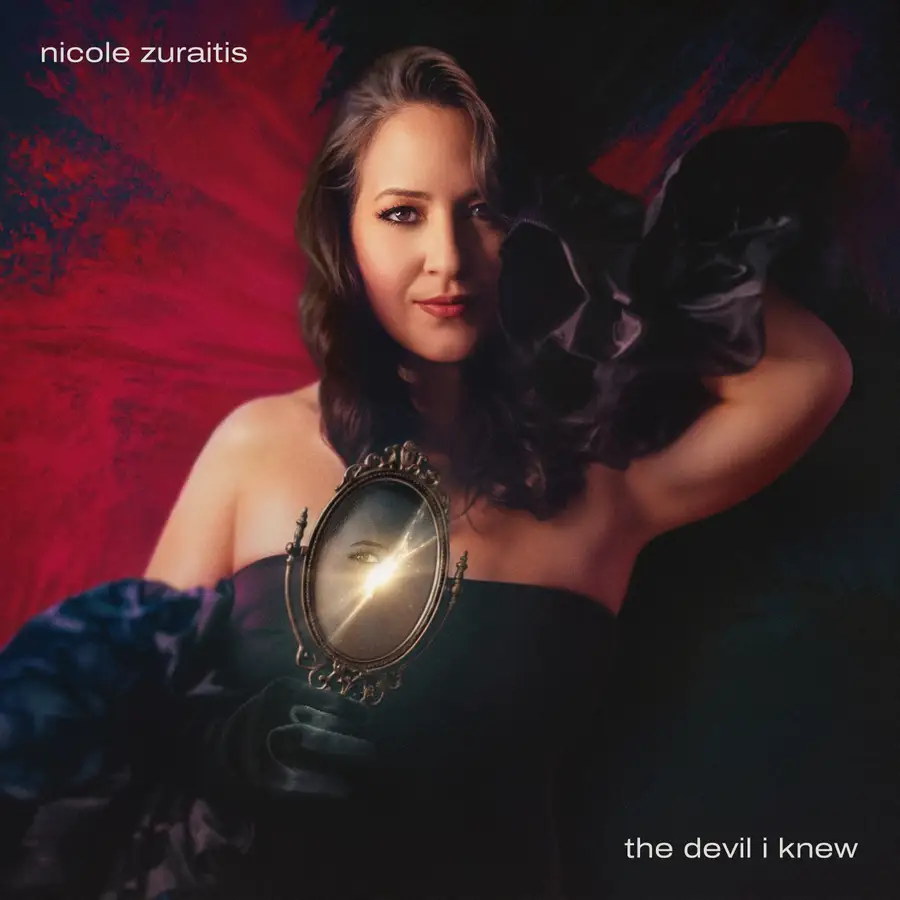
The Devil I Knew is the seventh album from 2X GRAMMY-winning vocalist, pianist, and songwriter Nicole Zuraitis — a cinematic, five-part concept album exploring self-reckoning, accountability, and emotional agency through the lens of a collapsing love story. Blending jazz virtuosity with literary inspiration and deeply personal songwriting, the album unfolds across five thematic movements — The Mirror, The Martyr, The Malediction, The Reckoning, and The Requiem — each connected through poetry by iconic female writers including Dorothy Parker, Emily Dickinson, Edna St. Vincent Millay and Francis Ellen Watkins Harper. Recorded at EastSide Sound in New York City and mastered by Bernie Grundman, the project features a world-class ensemble including Christian McBride, Gilad Hekselman, Donny McCaslin, and Larry Goldings, with horn arrangements by Jerry Hey and string arrangements by Vince Mendoza, including the Budapest Scoring Orchestra. Produced by Larry Klein and Zuraitis, with Executive Producer Susan Bloomberg, the album positions Zuraitis within a burgeoning New Romanticism in jazz — music that is lush, literary, emotionally expansive, and unapologetically human in an age that keeps asking us to be smaller, quieter, and easier to process.
As a recording artist, Nicole Zuraitis has released five albums as leader, and her sixth album, How Love Begins, co-produced with eight-time GRAMMY-winner Christian McBride, won BEST JAZZ VOCAL ALBUM at the 2024 GRAMMY® awards and features all original music. She is the only person ever to have won this award who wrote and arranged the entire album herself. In addition to leading her quartet, Nicole performed and recorded with the Birdland Big Band as the premier vocalist before taking off as a large ensemble leader of her own, co-producing the Dan Pugach Big Band and guesting for major big bands around the globe. She has headlined at Newport Jazz Festival, Melbourne International Jazz Festival, Caramoor, Saratoga Jazz Festival and Tanglewood, along with iconic NYC jazz clubs like Dizzy’s Club at Lincoln Center, Birdland, the Blue Note, the Carlyle, 54 Below and the late, great 55 Bar. She also has appeared as a featured soloist with the Savannah Philharmonic, Asheville Symphony, and Macon Pops as well as the Danish Radio Big Band.
Nicole is a featured artist and producer on her husband’s, renowned drummer, bandleader, and composer Dan Pugach, 2025 GRAMMY-winning album, Bianca Reimagined: Music for Paws and Persistence (Best Large Ensemble) for which they composed the GRAMMY-nominated song, “Little Fears” (Best Jazz Performance). Nicole is a vocalist on the GRAMMY-winning “Last Sunday in Plains: A Centennial Celebration” alongside Jon Batiste, Keb’ Mo’, and LeeAnn Rimes. In 2024, Broadway World honored Nicole with the “Best Big Band Show” Award and she’s a 2025 Rising Female Vocalist in Downbeat Magazine. Nicole's arrangement of Dolly Parton's Jolene, co-written with Dan Pugach, was nominated for a 2019 GRAMMY®, springboarding her career and making her a household name in the modern-day jazz landscape. In 2020, she was named in the top 40 under 40 for 2020 in Connecticut Magazine, and her weekly live stream during the Covid-19 crisis, "Virtual Piano Lounge," was featured in Forbes Magazine.
Nicole has collaborated with an extensive list of luminaries, including Christian McBride, Tom Scott, Keyon Harrold, David Cook, Gilad Hekselman, Veronica Swift, Benny Benack, Stephen Feifke, Cyrille Aimee, Antonio Sanchez, Javon Jackson, Nikki Giovanni, Dave Stryker, Omar Hakim, Rachel Z, Helen Sung, Melanie, Morgan James, Darren Criss, Livingston Taylor, Thana Alexa, Rachel Eckroth, Don Braden and Bernard Purdie. She is a proud educator and a current vocal faculty member at NYU and the Litchfield Jazz Camp. In 2024, Post University awarded Nicole an Honorary Doctorate in Humane Letters.
An ardent activist with a decade-long track record of giving back, her release of How Love Begins coincided with a self-produced music festival and day of activism for Save the Sound.Org. All proceeds of the GRAMMY winning album Bianca Reimagined go to pitbull rescues Nicole and Dan have fostered through the last 15 years.
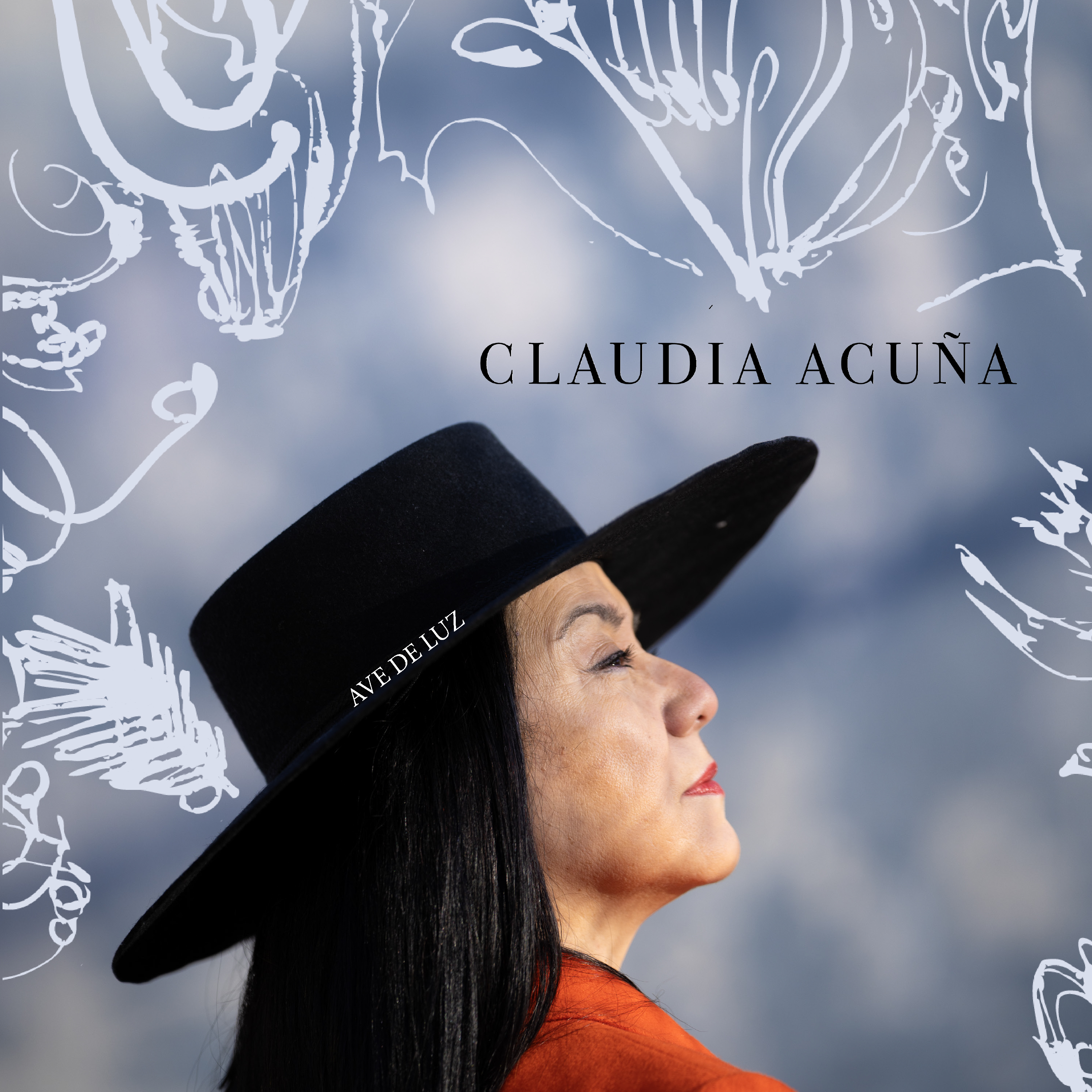
Latin Grammy nominee Claudia Acuña returns with Ave de Luz, out July 10, 2026 via Delfin Records, a love letter to her Chilean roots and a bold declaration of identity from the acclaimed vocalist, composer, and bandleader who has spent three decades weaving South American music into the fabric of New York jazz.
Where her previous albums drew from the broader Latin American tradition, Ave de Luz goes deeper and more specific: this is Chilean jazz, with Chilean musicians, built around the rhythms, instruments, and songs that shaped Acuña from childhood. The title captures the spirit at the heart of the record, to be a bird of light, carrying one's origins forward through music and across borders.
Her New York ensemble includes Manu Koch on piano and keys, Pablo Vergara on piano, Carlos Henderson on bass, and Yayo Serka on drums and percussion — musicians whose deep knowledge of both jazz and Latin American music gives the band its distinctive footing. Andrés Pollak, who also co-produced the record with Acuña, contributes piano and organ. The Chilean thread runs through the album with Pablo Zárate on Chilean accordion and pandero, and Fredy Torralba on charango, trutruca, and zampoña, traditional and native instruments that root the record in a specific cultural landscape. Paulina García, a celebrated Chilean actress, contributes spoken word, and Daniel Kelley-Acuña adds vocals to one track.
The arrangements are sparse yet full, leaving generous space for Acuña's resonant voice to carry the stories at the center of each song. The band renders South American rhythms with authenticity and nuance, and the production reflects a modern sensibility without losing sight of the music's folk and traditional foundations. Across the track listing, the instrumentation shifts in density, the lyrics move between Spanish and English, and the mood travels from traditional folk themes to contemporary compositions, keeping the listening experience dynamic from start to finish.
Several songs hold particular weight. "Chingalacachingal" is among the most direct pieces Acuña has written, a song that speaks to exhausted hearts and the collective longing for peace and basic human dignity. "Viento del Sur" ("Wind from the South") reflects on belonging and displacement, the feeling of carrying one's homeland wherever life leads. "Piecesitos de Niño" is drawn from a poem by Gabriela Mistral, Chile's Nobel Prize-winning poet, and features a spoken word performance by Paulina García alongside a daring arrangement that Acuña calls one of her favorite risks on the record. A duet with charango stands as a quiet prayer to Pachamama, mother nature.
The album arrives as the culmination of a journey that began the moment Acuña left Chile for New York, carrying her roots into a new musical world, and spending years learning how those two things could speak to each other. Rather than a declaration of ownership, the album is an act of embrace: Acuña bringing her singular background, her specific corner of Chile, and her life as an immigrant musician to bear on the music she loves. What she describes as an ongoing love letter to Chile, Ave de Luz is the sound of an artist fully inhabiting who she is and where she comes from.
Ave de Luz is out July 10, 2026 via Delfin Records.
Musicians
Claudia Acuña - Vocals, Claps & Tormento
Manu Koch - Piano & Keys (Tracks 1, 2, 3, 5)
Pablo Vergara - Piano (Tracks 6 & 8)
Andrés Pollak - Piano (Track 7) | Organ (Track 1)
Carlos Henderson - Bass
Yayo Serka - Drums, Tormento, Hand Percussion
Pablo Zárate - Accordion & Chilean Pandero (Tracks 2)
Paulina García - Spoken Word (Track 6)
Daniel Kelley-Acuña - Vocals (Track 6)
Fredy Torralba - Charango, Trutruca & Zampoña
Latin Grammy Nominee and NPR Tiny Desk Concert artist (2023), Claudia Acuña was born in Santiago and raised in Concepción, Chile. She established herself on the Chilean jazz scene in her early 20s before arriving in New York City in 1995, where she quickly became a leading voice on a scene being transformed by a wave of brilliant Latin American musicians. Acuña is celebrated for her vision of blending South American folk music with jazz and world music, and has collaborated with Harry Whitaker, Arturo O'Farrill, Guillermo Klein, Branford Marsalis, George Benson, Kenny Barron, Louie Vega, Tom Harrell, Herbie Hancock, Dee Dee Bridgewater, and the San Carlo di Napoli Symphony Orchestra, among others.
Her albums as a bandleader — beginning with her debut Wind from the South on Verve Records, which made her the first Latin American vocalist signed to a major label — established her as a creative force. Other releases include Rhythm of Life (Verve), Luna (MaxJazz), In These Shoes (Zoho Music), En Este Momento (Marsalis Music), and Turning Pages, which earned a Latin Grammy nomination for Best Jazz Album in 2019. Recent work includes performances at the Newport Jazz Festival, Carnegie Hall's Musical Explorers program, and International Jazz Day with the Herbie Hancock Institute. She has received the Keys to the City of Concepción, a 2024 Award of Recognition from the Chilean Chamber of Commerce in New York City, and a nomination for Person of the Year in Chile for her contributions to music and humanitarian work.